
Q1. Your platform now enables a single operator to supervise multiple autonomous systems. How does this shift the economics of security operations for large-scale deployments?
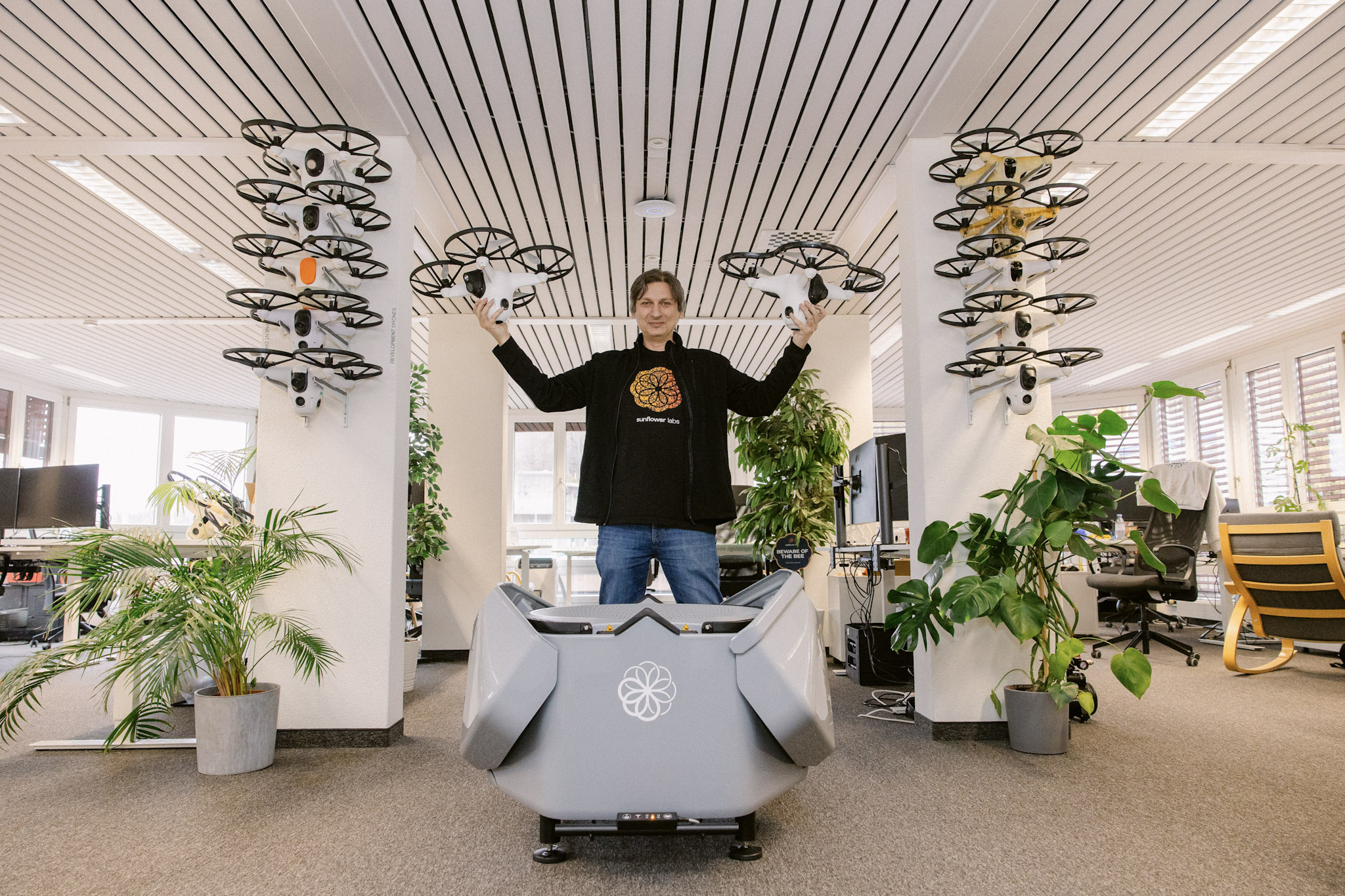
It’s an order-of-magnitude shift. When one pilot can supervise six concurrent drones covering 18+ sites, the per-site cost of autonomous patrol drops by 20x. The savings are the headline, but the real gains are in coverage and response time. A drone gets to a perimeter alert in seconds. A guard in a vehicle takes significantly longer.
Q2. You’re moving beyond traditional monitoring toward real-time intelligence. What kinds of decisions can your system now make autonomously without human intervention?
The system identifies the parts of a site that matter most: key security locations, movement corridors, ingress and egress points. It tracks activity in those zones and starts to assess intent and behaviour. So instead of just sending an alert when someone enters a frame, it can tell the operator that a person is loitering near a back gate, or moving in a pattern that doesn’t match normal site traffic. The operator still makes the call on what to do. The system does the filtering.
Q3. With advanced capabilities like thermal sensing and anomaly detection, how do you ensure accuracy while minimizing false alarms in complex environments?
Two things. First, training and continuous feedback. AI isn’t perfect, but it lets us pre-filter detections far better than any motion sensor or fixed camera setup. Second, operator input. Every confirmed false positive feeds back into the model, so the system gets sharper at each individual site over time. The combination is what lets us run at high recall without flooding operators with noise.
Q4. Autonomous aerial response is becoming a key feature of your platform. How important is speed and mobility in redefining perimeter security?
It’s paramount, especially for large outdoor sites. A fixed camera tells you something happened. A drone tells you what is happening, right now, with a clear visual from any angle. That’s the difference between an alert and a real-time security assessment. For sites measured in acres or square miles, aerial response is the only practical way to get eyes on a situation in seconds rather than minutes.
Q5. As you expand into new international markets, what challenges do you face in adapting autonomous security systems across different regulatory and operational environments?
Every country has its own process, its own regulator, and its own definition of what’s allowed. There is no shortcut. It takes time to understand the local framework, build relationships with the regulators, and earn the trust that lets you operate at scale. We’re now in nine countries, and each one has been its own multi-year effort.
Q6. Your approach reduces reliance on human guards. How do you see the role of human operators evolving alongside autonomous systems?
I’d actually frame it the opposite way. Our system makes human operators more effective. It gives them the ability to be in many places at once and to get a birds-eye view of any situation on demand. But at the end of the day, a human still decides whether a crime occurred and what the response should be. The system is the force multiplier. The judgment stays with the person.
Q7. With increasing adoption and system capabilities, what does a fully scaled deployment look like for Sunflower Labs in the next few years?
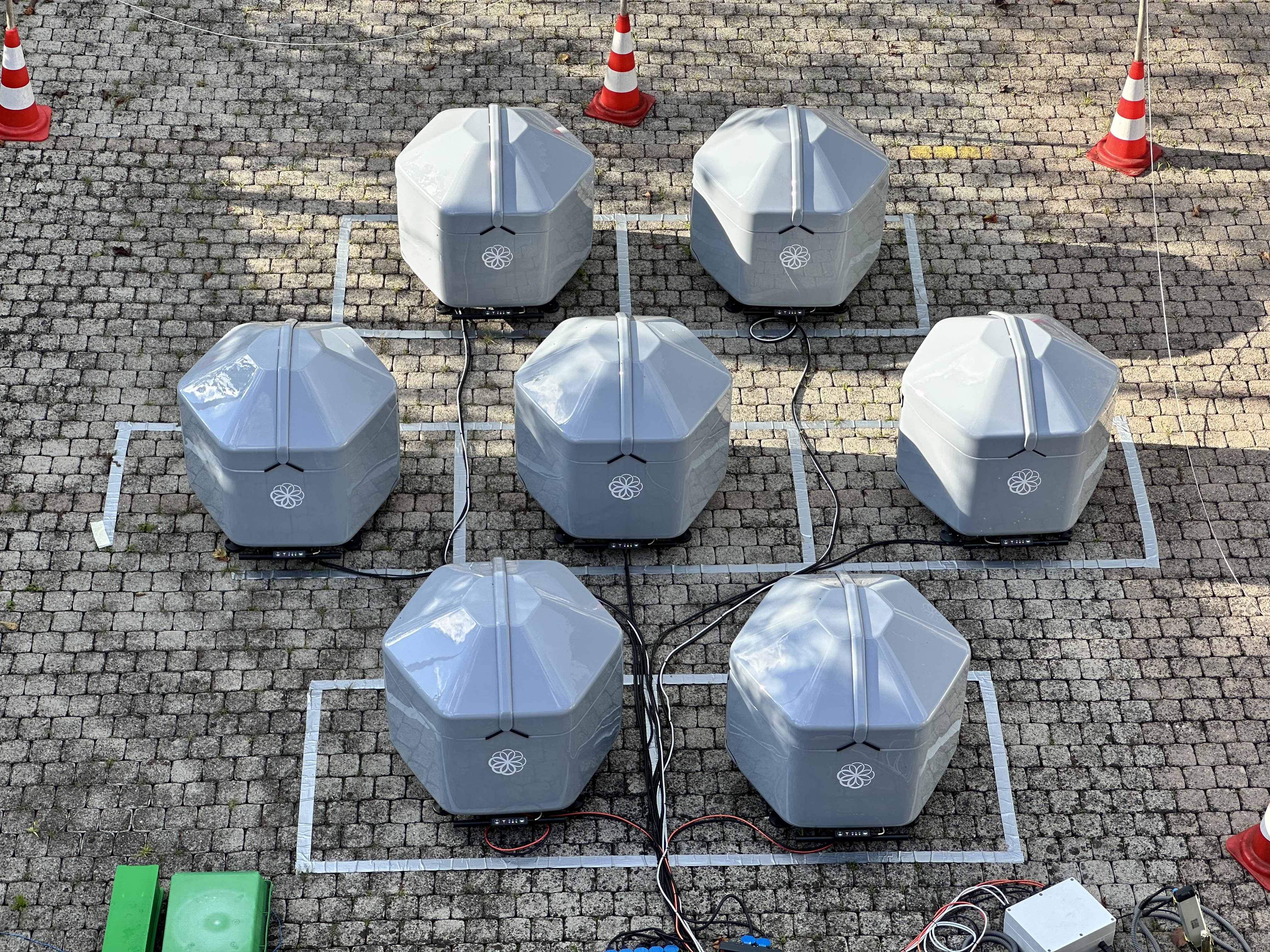
Hundreds of thousands of sites, with our system integrated alongside other security measures rather than replacing them. The vision isn’t drones doing everything. It’s drones as the aerial layer of a complete security stack: cameras, access control, alarms, and now autonomous aerial response, all coordinated through one operator workflow. That’s where this is going.
