

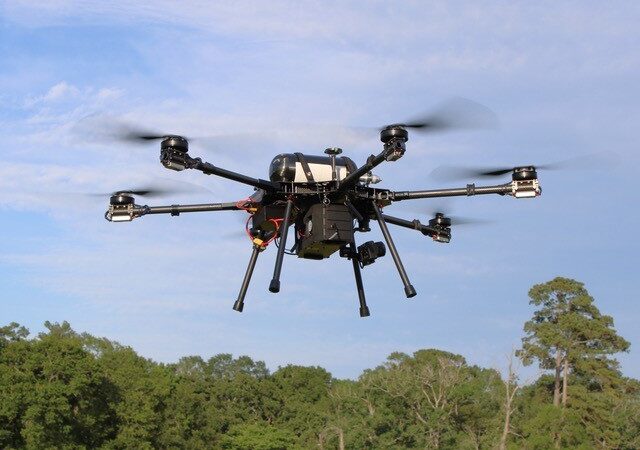
The Oregon Department of Aviation (ODA) is set to pioneer a trial of hydrogen fuel cell-powered drones operating beyond visual line of sight (BVLOS). This initiative marks a significant step toward cleaner, longer-endurance uncrewed aerial systems (UAS) for commercial and public service missions.
Hydrogen Offers Extended Range and Rapid Refueling Versus Battery-Electric Drones
Unlike conventional battery-electric drones, which are limited by short flight times and lengthy recharging, hydrogen fuel cells offer extended range and rapid refueling. The ODA’s project aims to demonstrate that hydrogen-powered drones can safely and efficiently perform BVLOS operations—flying beyond the pilot’s direct line of sight—without the carbon emissions of internal combustion engines.
Infrastructure Inspection, Pipeline Monitoring, Emergency Response, and Cargo Delivery
The trial will likely focus on applications such as infrastructure inspection, pipeline monitoring, emergency response, and cargo delivery across Oregon’s diverse terrain. By leveraging hydrogen, the drones can stay airborne for hours instead of minutes, reducing the need for multiple launch and recovery points along a flight path.
BVLOS Capability a Key Enabler for Scaling Drone Operations
BVLOS capability is a key enabler for scaling drone operations. Current regulations often require visual observers or costly waivers, but successful demonstration of hydrogen-powered BVLOS flights could accelerate approval pathways. The ODA is collaborating with industry partners, though specific manufacturers and timelines have yet to be fully detailed.
Safety, Hydrogen Storage, and FAA Airspace Integration
Safety and reliability remain paramount. Hydrogen storage and handling require careful engineering, but advances in lightweight composite tanks and fuel cell efficiency have made the technology viable for small aircraft. Oregon’s aviation authorities are working closely with the FAA to ensure compliance with airspace integration rules.
Oregon Positioned as Leader in Green Aviation Technology
If successful, this trial could position Oregon as a leader in green aviation technology. The state’s vast rural areas, limited cellular coverage, and need for long-distance monitoring make hydrogen drones an attractive alternative to battery-powered models or crewed aircraft.
Decarbonization, Autonomy, and BVLOS as Broader Industry Trends
The move aligns with broader trends in the UAS industry: decarbonization, autonomy, and beyond-visual-line-of-sight capabilities. Several companies worldwide are developing hydrogen drone platforms, and Oregon’s proactive testing may provide valuable real-world data on performance, cost-effectiveness, and operational procedures.
The ODA expects to release initial findings later this year, potentially opening the door for routine hydrogen BVLOS operations in Oregon’s airspace. For now, the project underscores a growing consensus that hydrogen—not just batteries—will play a vital role in the future of sustainable aviation.
